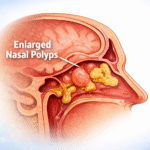





Chronic sinusitis (CRS) is a long-term condition affecting around 5–12% of people. It’s defined as sinus inflammation lasting more than 12 weeks and can seriously impact quality of life. While treatments like nasal sprays, antibiotics, and surgery are commonly used, they don’t always provide lasting relief.
A Different Way of Looking at Sinus Problems
Researchers are increasingly focusing on the sinus microbiome—the community of bacteria living in the nose and sinuses.
In healthy sinuses, beneficial bacteria help keep harmful microbes under control and support the immune system. But in people with chronic sinusitis, this balance is often disrupted. Studies show reduced bacterial diversity and a higher presence of potentially harmful species, which may contribute to ongoing inflammation.
This imbalance, known as dysbiosis, is now thought to play a key role in chronic sinus conditions.
Why Symptoms Keep Coming Back
One challenge with CRS is that standard treatments don’t address this underlying imbalance.
Antibiotics, for example, can reduce harmful bacteria but also wipe out beneficial ones. This may make it easier for unwanted microbes to return. Some bacteria can also form biofilms—protective layers that make them more resistant to both antibiotics and the immune system.
Together, these factors help explain why sinus issues often become chronic or recurrent.
The Potential Role of Probiotics
Probiotics are beneficial bacteria that may help restore a healthier balance in the microbiome. In theory, they can:
- Compete with harmful bacteria
- Support the natural barrier of the sinus lining
- Help regulate immune responses
However, current clinical studies are still limited, and results have been mixed. Not all probiotic strains appear to be effective for sinus conditions, and more research is needed to understand which ones work best.
A Closer Look at Lactobacillus sakei
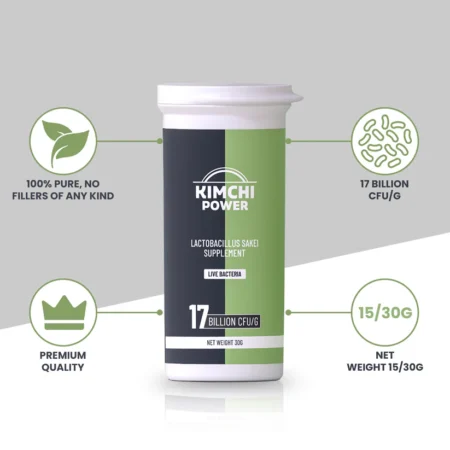
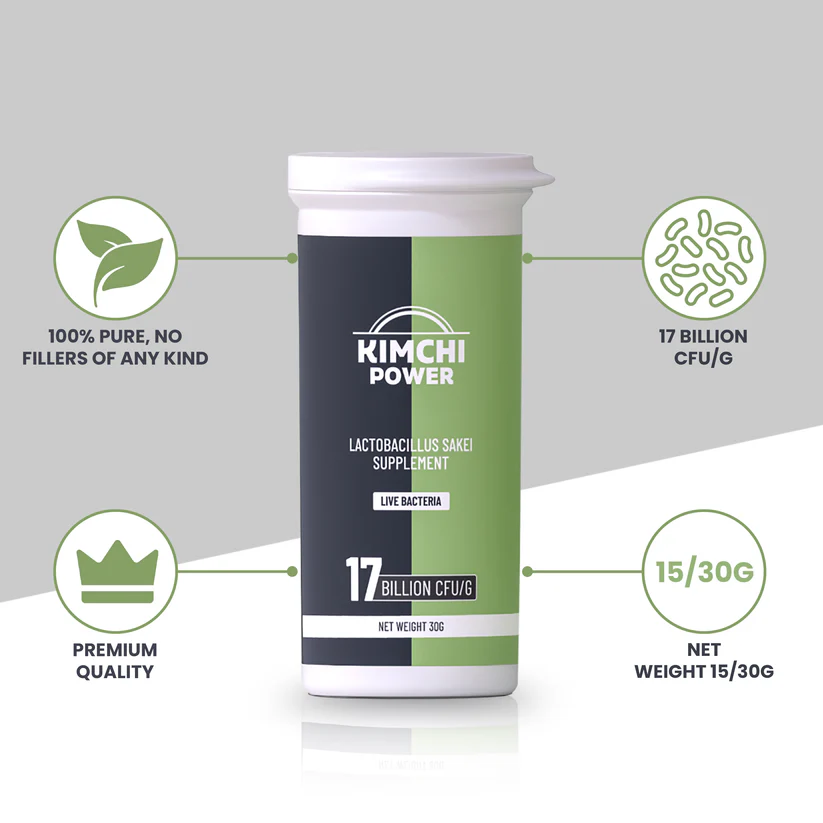
One of the more interesting findings in recent research involves Lactobacillus sakei. This bacterium is commonly found in healthy sinus microbiomes but tends to be reduced in people with chronic sinusitis.
In experimental studies, it has shown the ability to:
- Limit the growth of harmful bacteria
- Protect the sinus lining
- Reduce inflammation-related changes
These findings suggest it may play a protective role in maintaining sinus health, although human studies are still developing.
What This Means Going Forward
The research highlights an important shift in how chronic sinusitis is understood. Rather than being caused by a single infection, it may often involve a complex imbalance of microbes combined with inflammation and immune responses.
While probiotics are not yet a standard treatment, they represent a promising area of ongoing research—especially approaches that focus on restoring the natural bacterial balance of the sinuses.
No Comment! Be the first one.